
What Is a Dental Crown? Everything Irvine Patients Should Know
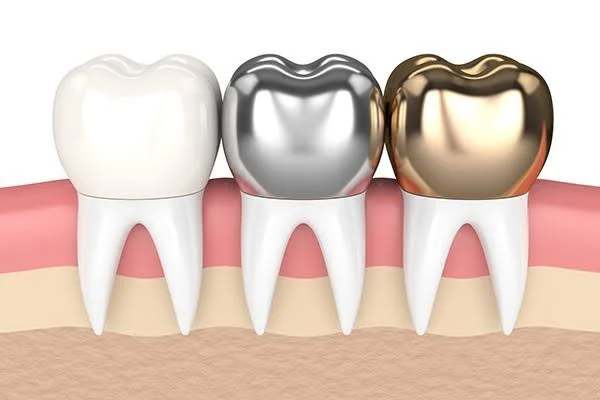
If your dentist recommends a dental crown, it doesn't necessarily mean your tooth is beyond saving. In fact, the opposite is often true.
A dental crown is designed to preserve a tooth that has been weakened, damaged, or heavily restored while allowing you to continue using your natural tooth comfortably.
Modern crowns are carefully crafted to match your surrounding teeth, making them both functional and aesthetically pleasing.
If you've recently been told you need a crown—or simply want to understand your options—this guide explains everything you should know.
What Is a Dental Crown?
A dental crown is a custom-made restoration that completely covers the visible portion of a damaged tooth.
Think of it as a protective cap that strengthens the remaining tooth structure while restoring its appearance, shape, and function.
Once permanently bonded into place, the crown becomes the new outer surface of the tooth.
Crowns are individually designed to blend with your surrounding teeth, making them difficult to distinguish from your natural smile.
Why Would Someone Need a Dental Crown?
Dentists may recommend a crown for several different reasons.
Common situations include:
A tooth with a large cavity that cannot safely support another filling
A cracked or fractured tooth
A worn tooth from grinding or years of use
A tooth weakened after root canal treatment
A broken tooth
A cosmetic improvement for a severely misshapen or discolored tooth
Replacing an old failing crown
The purpose is to strengthen the remaining tooth while restoring normal chewing function.
What Materials Are Dental Crowns Made From?
Several materials may be used depending on the location of the tooth, cosmetic goals, and functional needs.
Common options include:
Porcelain
Ceramic
Porcelain fused to metal
Gold alloys
Zirconia
For many visible teeth, porcelain or ceramic crowns are popular because they closely resemble natural enamel.
Your dentist will recommend the material that best fits your specific situation.
What Happens During the Crown Procedure?
Most crowns require two appointments.
First Visit
During your first appointment your dentist will:
Examine the tooth
Remove any decay or damaged structure
Shape the tooth
Take digital scans or impressions
Select the appropriate shade
Place a temporary crown
The temporary crown protects the prepared tooth while your permanent restoration is being fabricated.
Second Visit
Once the permanent crown is ready your dentist will:
Remove the temporary crown
Check the fit and bite
Make small adjustments if necessary
Permanently bond the crown into place
The final result should feel comfortable and function like a natural tooth after a short adjustment period.
Does Getting a Crown Hurt?
Most patients experience little discomfort during treatment.
Local anesthetic is used while preparing the tooth, and many patients report only mild soreness afterward.
Some temporary sensitivity to hot or cold may occur, but this generally improves as the tooth settles.
If anxiety has kept you from receiving treatment, ask about available comfort options before your appointment.
How Long Does a Dental Crown Last?
A well-made crown can often last many years with proper care.
Its lifespan depends on factors such as:
Daily oral hygiene
Teeth grinding
Bite forces
Diet
Regular dental examinations
Overall oral health
Although crowns are durable, they are not indestructible.
Chewing ice, opening packages with your teeth, or grinding without a nightguard can shorten the life of a restoration.
Can a Crown Get a Cavity?
The crown itself cannot develop decay.
However, the natural tooth underneath still can.
Bacteria may enter around the margin of the crown if plaque is allowed to build up or if the crown no longer seals properly.
This is one reason routine dental visits remain important after crown placement.
Why Are Online Dental Implant Prices So Different?
Fortunately, caring for a crown is very similar to caring for your natural teeth.
Maintain healthy habits by:
Brushing twice daily
Flossing every day
Keeping regular professional cleanings
Avoiding chewing hard objects
Wearing a nightguard if recommended
Good home care helps protect both the crown and the remaining natural tooth underneath.
Crown vs. Filling
Many patients wonder why a filling cannot simply repair the tooth.
Fillings replace missing tooth structure but rely on the remaining tooth for support.
When too much natural tooth has been lost, a filling may no longer provide enough strength.
A crown surrounds the tooth and distributes chewing forces over the entire structure, reducing the risk of additional fractures.
Crown vs. Veneer
Although both improve appearance, crowns and veneers serve different purposes.
A veneer covers only the front surface of the tooth and is primarily cosmetic.
A crown surrounds nearly the entire visible tooth and is typically recommended when significant structural support is needed.
Your dentist will determine which restoration best fits your goals.
Can a Crown Replace a Missing Tooth?
No.
A dental crown restores an existing tooth.
If a tooth is missing entirely, other treatments such as dental implants or porcelain dental bridges may be recommended instead.
In some situations, a crown may also be attached to a dental implant to replace a missing tooth.Schedule a Dental Implant Consultation
Sand Canyon Dental provides implant treatment options for patients replacing one tooth, several teeth, or a complete arch.
Your consultation is an opportunity to understand:
Whether you may be a candidate for implants
Which restoration may fit your needs
Whether preliminary treatment is necessary
How long treatment may take
What your estimated cost may be
Whether insurance may contribute toward treatment
Request an appointment to receive an individualized evaluation and learn which tooth-replacement option may be right for you.
What Happens If You Delay Treatment?
Waiting too long may allow a damaged tooth to worsen.
Small cracks can become larger.
Weak teeth may fracture.
Decay can spread deeper into the tooth.
Eventually, treatment that once required only a crown could require root canal therapy or even extraction.
Early treatment often provides more options for preserving your natural tooth.
Are Crowns Noticeable?
Modern crowns are designed to blend naturally with surrounding teeth.
Dentists carefully match:
Tooth color
Shape
Size
Contours
Bite alignment
Most people will not notice a properly made porcelain crown during everyday conversation.
Who Is a Good Candidate?
You may be a candidate for a dental crown if you have:
A cracked tooth
A broken tooth
A large failing filling
Significant tooth wear
A tooth following root canal treatment
Cosmetic concerns involving a severely damaged tooth
A complete examination and digital imaging help determine the most appropriate treatment.
Protecting Your Investment
A custom crown represents an investment in your long-term oral health.
Maintaining routine checkups allows your dentist to evaluate:
Crown margins
Bite changes
Gum health
Wear patterns
Signs of grinding
Regular preventive care helps maximize the longevity of both the crown and your natural teeth.
Schedule a Dental Crown Consultation in Irvine
If you have a cracked, worn, or damaged tooth, early evaluation may help preserve your natural smile before the problem becomes more extensive.
The team at Sand Canyon Dental can examine the tooth, explain your treatment options, and determine whether a custom crown is the most appropriate solution.
If you're ready to restore the strength and appearance of your smile, schedule your appointment today.
-
Most traditional crowns require two visits. Some cases may qualify for alternative workflows depending on the treatment plan.
-
Yes, but it's best to avoid sticky foods, hard candies, and chewing directly on the temporary restoration whenever possible.
-
Modern porcelain and ceramic crowns are designed to closely match your surrounding teeth in color, shape, and size.
-
Although uncommon, a crown can become loose over time. Contact your dentist promptly if this happens so it can be evaluated.
-
Porcelain crowns generally resist staining better than natural enamel, although the surrounding natural teeth may continue to change color over time.
-
Many dental insurance plans contribute toward medically necessary crowns, although benefits vary by plan and annual maximums.
Summary:
Dental crowns are custom restorations that strengthen and protect damaged teeth while restoring their natural appearance and function. This guide explains when a crown is recommended, what the procedure involves, how long crowns typically last, and how they compare to other restorative treatments—helping you decide if a dental crown is the right solution for your smile.